2025-12-01 Mon
Published:
- Read Krister Wahlbäck’s magnificent overview of the “Finnish Question” in Swedish politics since 1809
- U.S. Secretary of War Crimes Pete Kegseth tried to meme on Twitter
News
Other stuff
Read Krister Wahlbäck’s magnificent overview of the “Finnish Question” in Swedish politics since 1809
2025-11-29 Sat: Read Krister Wahlbäck’s magnificent overview of the “Finnish Question” in Swedish politics since 1809, “Jättens andedräkt: Finlandsfrågan i Svensk politik 1809-2009” (2011; translated into Finnish as “Jättiläisen henkäys”, 2020).
Necessary reading for Finns… and Swedes.
I’ve said many times that the extent to which Sweden helped Finland during WW2 and later has too often been underestimated and remains too little known even among educated people.
Wahlbäck reminds that Swedish interest in the former Swedish provinces helped Finns even earlier.
Now of course there have been disappointments, problems, bad blood and bad attitudes too. On both sides.
And of course Sweden also had ulterior motives to help Finland - as a shield against Russia, then Soviet Union, and Russia again.
But that doesn’t explain even nearly everything.
Alongside massive help during the Winter War, I’m particularly grateful to the Swedes for their balancing act during the ColdWar. I believe it materially helped Finland remain independent, and had history gone a bit differently, could have been absolutely crucial.
In short, during the Cold War Sweden repeatedly threatened USSR with NATO membership if the Kremlin encroached too much upon Finnish independence.
The Kremlins understood that this would be a very bad trade for them. Sweden used to be a formidable military power for its size.
Sweden could’ve joined NATO even in 1949 and gained protection against the Soviet Union. But that would’ve meant a much more forceful Soviet control over Finland, almost certainly stationing of Soviet troops in Finnish territory, and consequently becoming an outright Soviet puppet state.
And Sweden was also the only country that actually prepared to materially help Finland if the Kremlins invaded again.
Other countries in the West prepared to nuke Finnish railroads, bridges, harbours and airfields.
(There’s more detail in Ekman’s 2017 book Sverige och Finland under kalla kriget.)
Or as Wahlbäck quotes a former Finnish ambassador to Stockholm, Pertti Torstila: “For Finland, Sweden is a genuine and important partner, our closest in the whole world - - Not always or in every case the easiest or the best partner. But often, very often, the best possible partner nevertheless.”
Wahlbäck, a veteran of foreign service, continues “I believe the same words could be used in the Swedish Foreign Ministry to describe our own view of Finland.”
Like many have said, we’re basically siblings. We fight occasionally - but have each other’s back when it matters. Sverige’s sak är vår.
(That said, in ice hockey what matters is that Sweden loses.)
Anyway, easy to see why former president of Finland Mauno Koivisto praised this book in his book “Idea of Russia.”
A Story in Four Acts
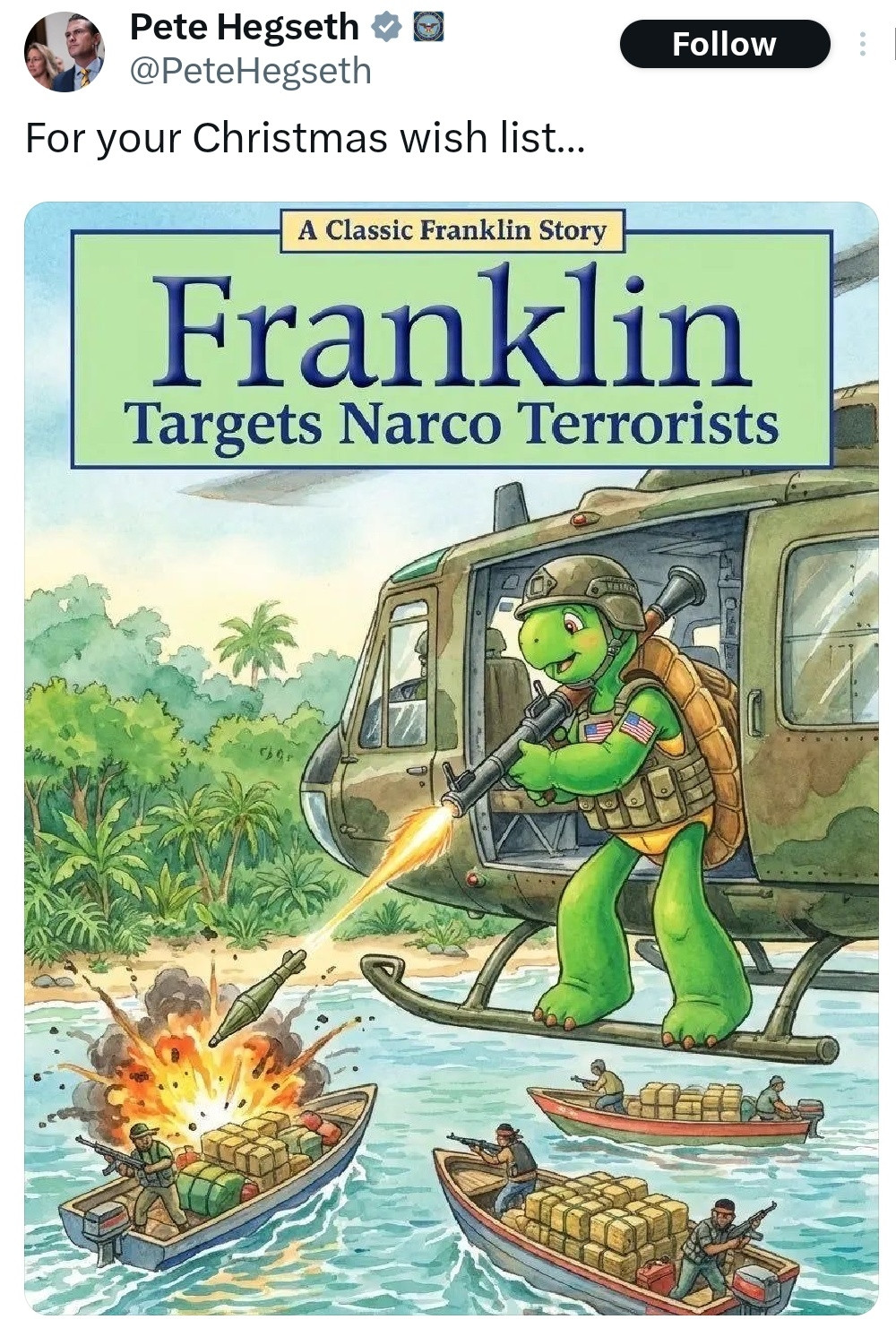
U.S. Secretary of War Crimes Pete Kegseth tried to meme on Twitter.
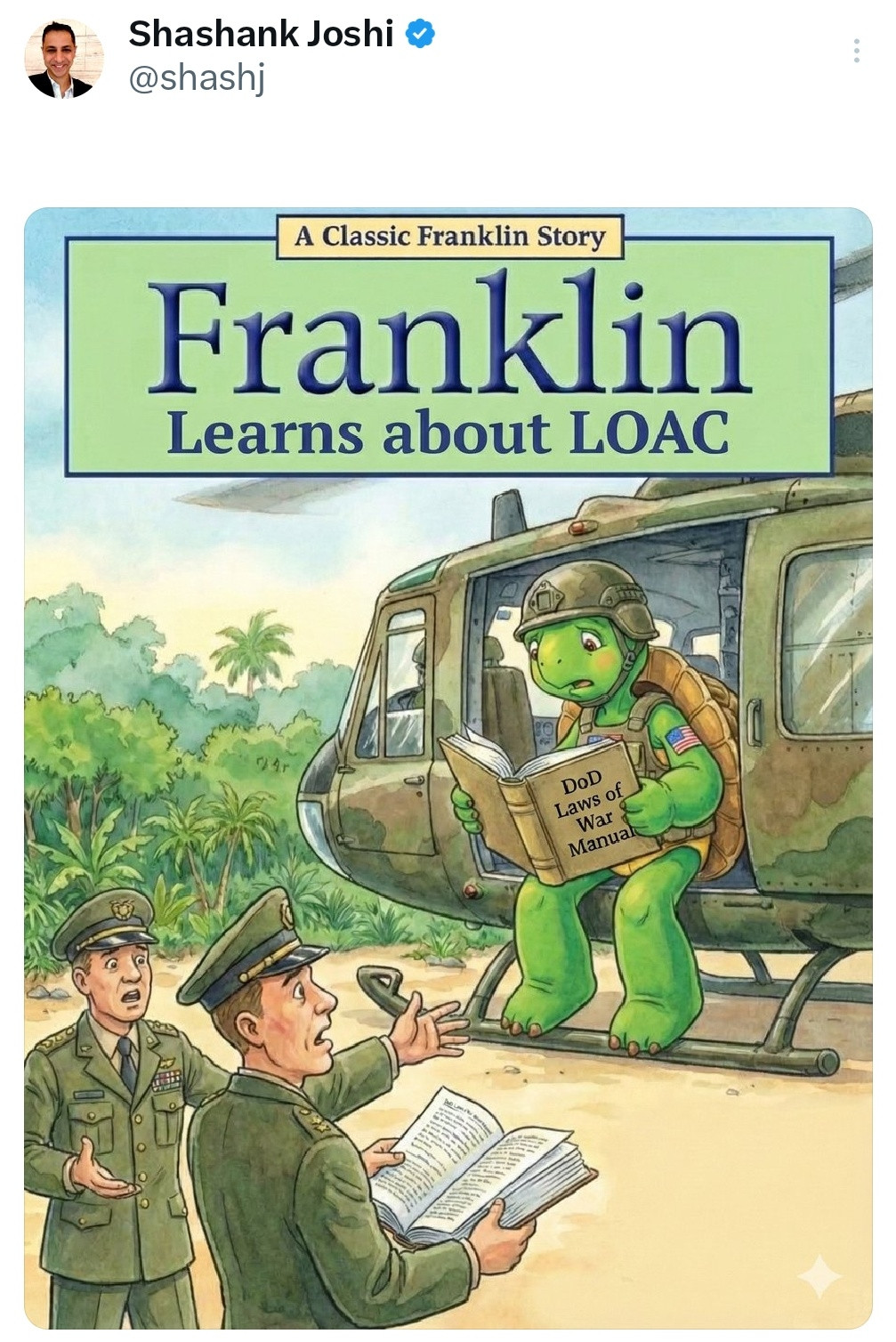
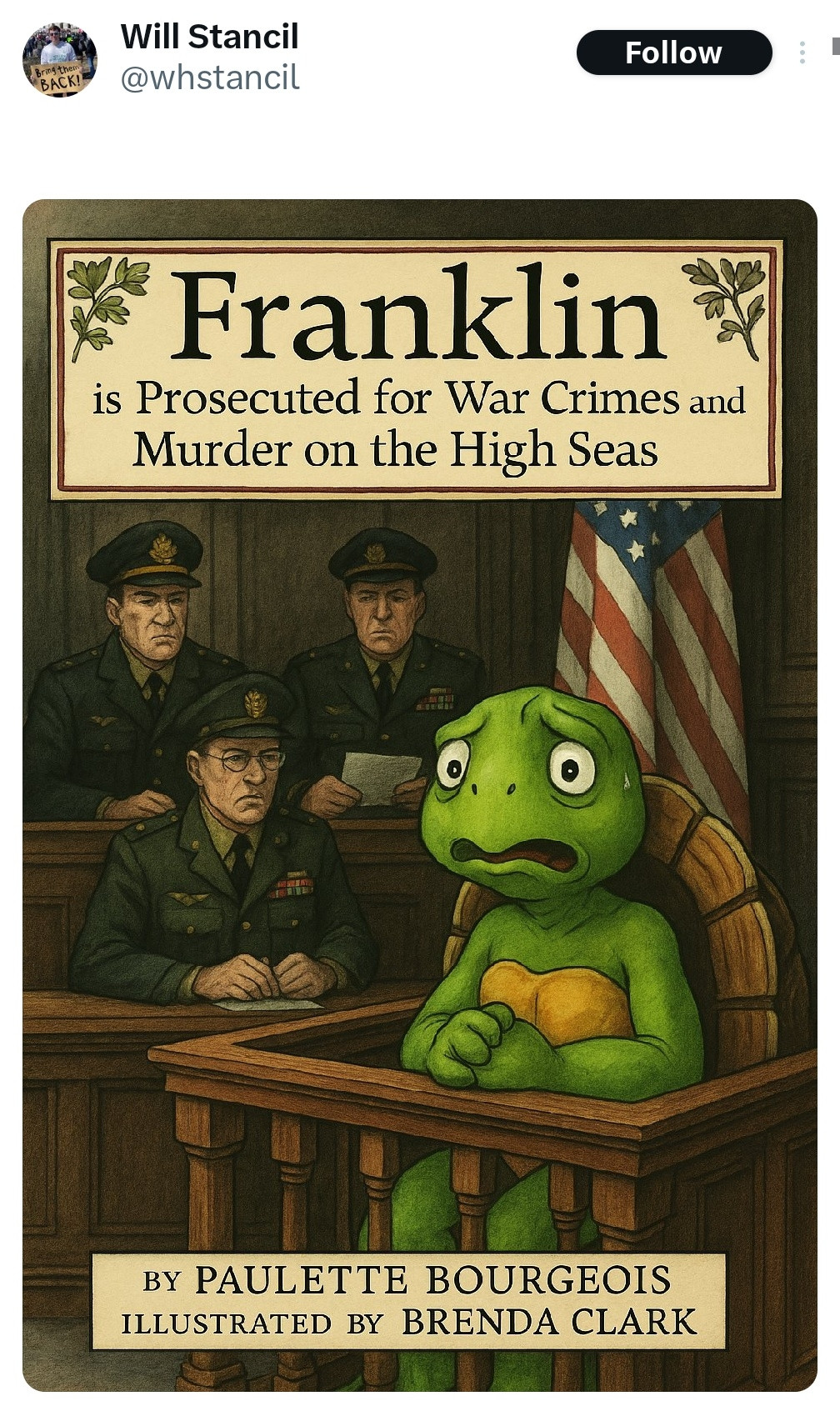
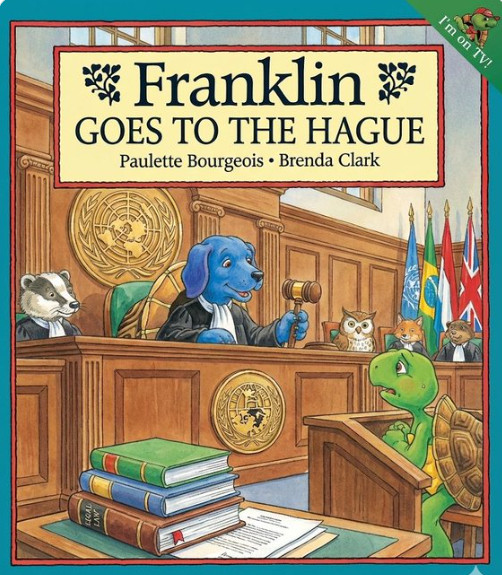
Others responded.
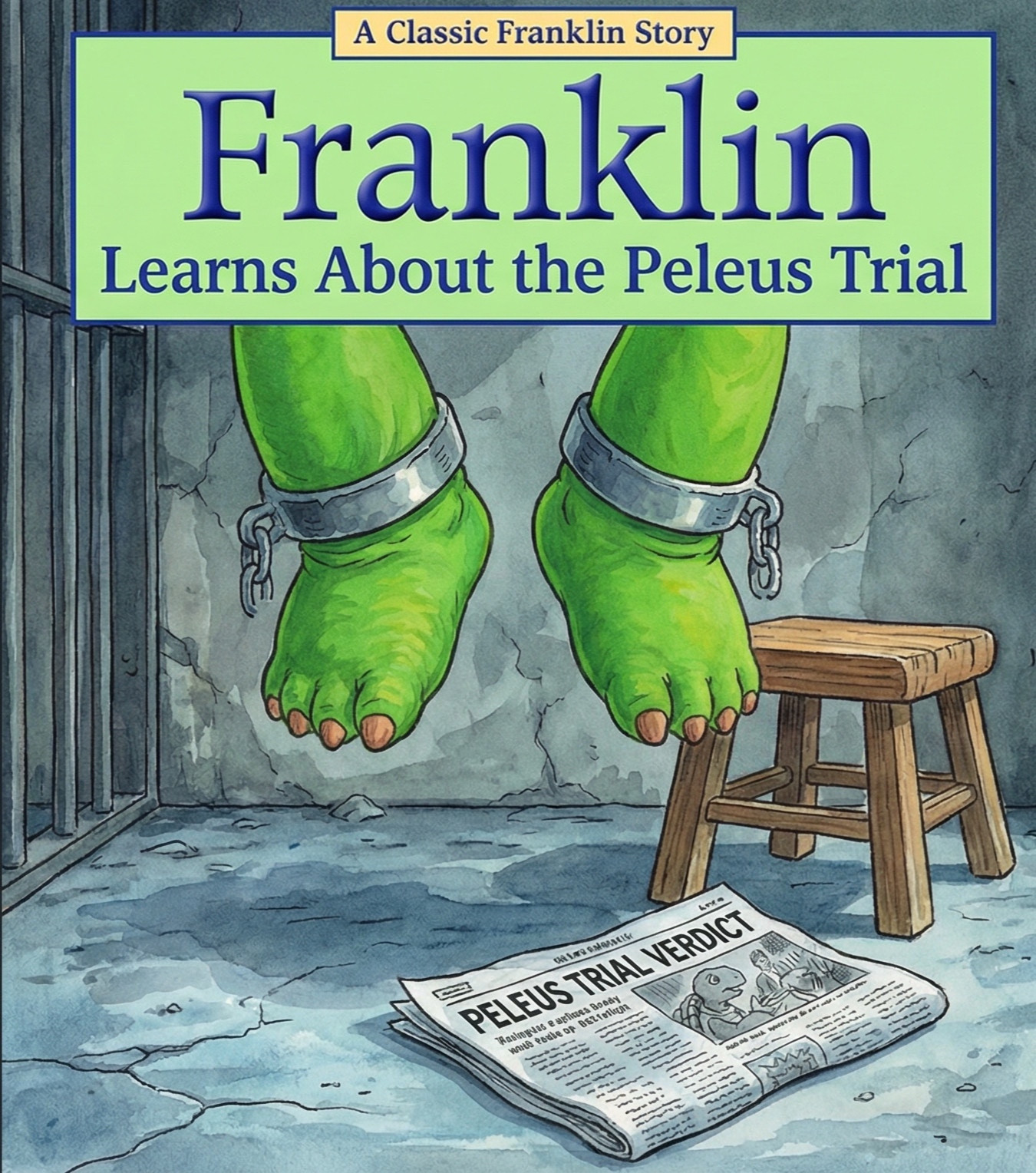
The Peleus Trial, U.S. Naval Institute.
See also Seth Hettena’s overview at Substack:
The Peleus case, now included in naval warfare law textbooks, stands for two simple legal principles: killing shipwrecked survivors is a manifestly unlawful act, and following an illegal order to do so is no defense. Enshrined in 1945, it has gained new urgency as Congress signals it will investigate the legality of the Pentagon’s campaign against suspected drug traffickers. […] All five of the accused were found guilty of a war crime. The court rejected the “operational necessity” defense and agreed with the Judge Advocate that firing on defenseless survivors was a “grave breach of the law of nations.”
Eck and two of his officers were sentenced to death. The chief engineer, who had initially protested that the order was unlawful but then opened fire, was sentenced to life in prison. An enlisted sailor was sentenced to 15 years in prison, demonstrating that responsibility extends down the chain of command when unlawful orders are carried out.